





Top 15 Mobile App Development Trends to Follow in 2026

Mobile technology has moved far beyond simple apps and screens. In 2026 and beyond, smartphones are becoming intelligent control centers for daily life, shaping how people work, shop, stay healthy, and interact with the world around them. What once felt experimental is now becoming standard, driven by rapid advances in AI, connectivity, and user expectations.
Real-time personalization, privacy-first design, ultra-fast networks, and a growing focus on sustainability define today’s mobile ecosystem. Technologies like AI-driven interfaces, 5G-powered experiences, and augmented reality are no longer side features. They are setting the foundation for how digital products are built and used at scale.
This blog explores the latest mobile app trends shaping the future of technology, with a clear focus on what is coming next rather than what is already familiar. Whether you are building products, leading a business, or simply curious about where mobile innovation is headed, this guide will help you understand what matters in 2026 and how to stay ahead of the curve.
- Mobile technology in 2026 is shifting toward intelligence, integration, and real-time experiences.
- AI, connectivity, and privacy-first design are redefining how mobile apps are built and used.
- Businesses must design for adaptability, sustainability, and user trust to stay competitive.
- The future of mobile favors platforms that deliver more value with less friction.
- Mobile apps are evolving into intelligent systems powered by AI, machine learning, and contextual data.
- Cross-platform frameworks and progressive web apps help teams deliver faster while maintaining consistency across devices.
- White-label solutions and mobile-first SaaS platforms are reducing time to market and development complexity.
- Privacy-first security, biometrics, and compliance are now foundational requirements for modern mobile products.
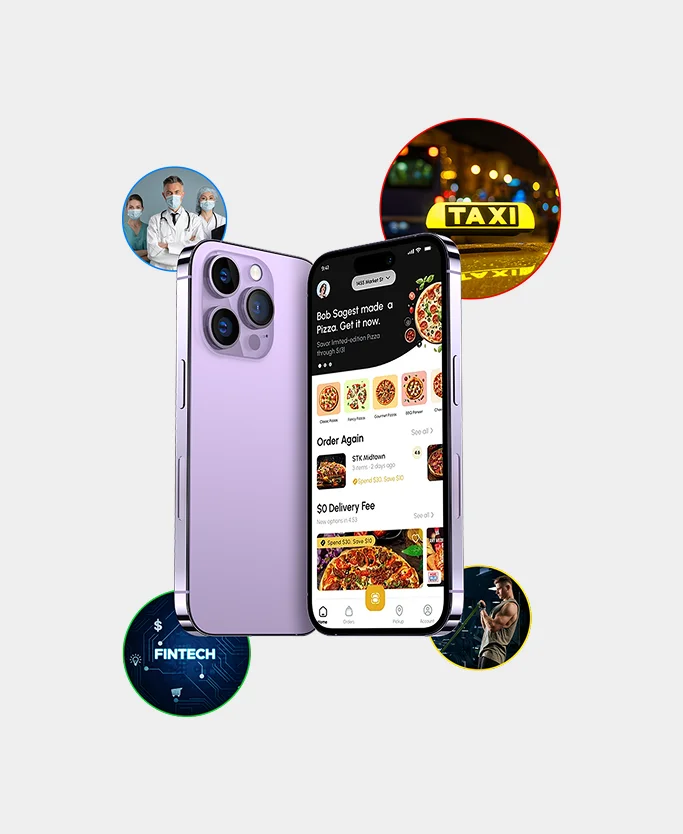
- Super apps and bundled ecosystems reflect growing user demand for integrated, all-in-one experiences.
- AI-driven personalization increases engagement, retention, and relevance across industries.
- Sustainability and green development practices are becoming core principles in mobile design.
- 5G, edge computing, and future networks are enabling richer, real-time mobile interactions.
- Strong UX design has emerged as a major competitive differentiator in crowded app markets.
- Future-ready mobile apps are built with scalable architecture, flexibility, and continuous optimization in mind.
Top 15 Mobile App Development Trends Shaping the Future of Technology In 2026 & Beyond
1. AI, AR & Machine Learning: The New Frontier of Mobile Innovation

Mobile is no longer convenient — it’s becoming intelligent, predictive, and immersive. At the center of this evolution are Artificial Intelligence (AI), Augmented Reality (AR), and Machine Learning (ML) — three technologies that are not only changing mobile experiences but redefining what is possible on a small screen.
Let’s look at how they’re pushing the boundaries of mobile app development:
- AI-Powered Personalization
Users will not just expect apps to have more features; they will demand apps that understand them intuitively. AI is providing apps the ability to learn about user behavior to modify when and how they present content, notifications, and recommendations while being very responsive. Every interaction is characterized by AI-enabled customization that delivers an incredibly instinctual and relevant experience, such as personalized news feeds and intelligent shopping lists.
Streaming services like Netflix use AI to aid in recommendations based on past content, and your mobile banking application can recognize suspicious transactions on your behalf (or even make suggestions about savings).
- Augmented Reality Enhancing Real-World Interactions
AR links digital content back to the physical world through mobile cameras providing interactive and immersive experiences. Everything from virtually trying on clothes, previewing furniture in your house, and navigating with AR overlays connects the two worlds.
Use Cases:
- Retail: Virtual try-ons and product previews
- Education: Interactive learning modules and 3D visualizations
- Navigation: Real-time AR-based directions and wayfinding
- Smarter Automation with Machine Learning
Machine learning enables mobile applications to learn and get better with each passing moment as they study user behavior and trends. It’s being applied to:
- Predictive text entry and voice input
- Fraud prevention in financial apps
- Adaptive UI that adjusts according to usage patterns
- Sophisticated image and speech recognition
The more users engage, the wiser the app gets—automatically.
- Real-Time Decision Making & Conversational Interfaces
AI and ML, by interpreting natural language, recognizing sentiment, and offering real-time support within your application, are facilitating the use of intelligent mobile assistants/chatbots and voice-activated features.
Companies can now deliver access to 24/7 support, automate customer service, and reduce friction in user tasks.
- On-Device Intelligence and Privacy-Focused AI
With data privacy now being increasingly prioritized, many developers are choosing on-device AI — allowing apps to deliver intelligent features without constantly sending data back to the cloud. This has benefits for speed as well as maintaining sensitive data and keeping it local.
As the technology of Augmented Reality (AR), Artificial Intelligence (AI), and Machine Learning (ML) becomes usable for developers on platforms like TensorFlow Lite, ARKit, and Core ML, mobile applications will be more contextually aware, visually compelling and in general, more intelligent. The aforementioned technologies are not “features” of mobile applications but are increasingly at the heart of mobile innovation today.
Ready or not, the mobile experience is evolving — and it’s learning from every swipe, tap, and scroll.
Also Check: 10 Digital Product Development Trends for 2025 & Beyond
2. Cross-Platform and Progressive Web Apps (PWAs)
As mobile development continues to burgeon, enterprises will continue to make greater use of cross-platform frameworks and progressive web apps (PWAs) to address the issues of many devices, long development cycles, and costs. They offer quicker go-to-market rates, consistent experiences, and easier maintenance – without compromising performance or engagement.
- Cross-Platform Development: One Codebase, Multiple Platforms
Platforms such as React Native, Flutter, and Kotlin Multiplatform have taken serious hold. They enable developers to write common code that executes on both iOS and Android, saving development time and money — without sacrificing too much native performance.
- React Native’s percentage of new apps, for example, grew from 4.7% in 2022 to 6.8% in 2024, and it’s now the #1 non-native framework on iOS and #2 on Android.
- Flutter commands an 11.1% market share on Android — the largest of any non-native platform .
These figures confirm a larger industry trend: development teams are valuing efficiency and consistency across platforms using these new tools.
- Progressive Web Apps (PWAs): Bridging the Mobile-Web Gap
PWAs combine the best of mobile and web—offering app-like instant loading, offline access, push messages, and home-screen installability — with none of the native complications.
- The market for PWA was valued at approximately USD 1.4 B in 2023 and is anticipated to reach USD 13.3 B by 2032 at nearly 29% year-to-year growth.
- A second estimate anticipates the PWA market expanding from USD 5.23 B in 2025 to USD 21.44 B by 2033 (CAGR ~19%).
These figures illustrate how firms are taking PWAs seriously for delivering high-performance, accessible, and low-cost digital experiences — without building multiple native apps.
Why These Trends Matter
| Benefit | Impact |
| Unified Codebase | Reduces development time and budget |
| Fast Performance | PWAs load under 3 seconds, retaining over 50% more visitors |
| Offline & Installable | PWAs function without internet and don’t require app store downloads |
| Scalable Infrastructure | Cross-platform tools ease maintenance and updates across devices |
Real-World Use Cases
- Startups can go live on iOS, Android, and Web at the same time, reaching users quicker.
- E-commerce companies can roll out a responsive PWA that loads in seconds and is offline-enabled, speeding up sales.
- Enterprise teams can save on internal development expenses and make updating easier through shared codebases.
Launch full-featured mobile apps or lean, web-based ones—cross-platform development and PWAs provide strong, future-proofed solutions. Both methods enable you to deploy smooth, compelling experiences—on devices and over networks—while maximizing resources and future-proofing your approach.
3. The Rise of White-Label and SaaS-Driven Mobile Solutions

With the fast-paced market of today, most firms no longer design mobile apps from scratch anymore. They’re using white-label products and mobile-first SaaS platforms to get to market fast and at low costs. What were once specialized solutions have become mainstream—why and how:
- Scaled Solutions with White-Label Mobile Apps
White-label mobile solutions offer out-of-the-box apps that can be fully rebranded and customized. The approach allows businesses to get to market in a hurry, avoiding the lengthy development cycles of custom applications. The global white-label and custom app marketplace is forecast to grow US $53.7 billion from 2025 to 2029, expanding at a 9.4% CAGR—evidencing a clear preference for fast, scalable solutions over total custom development.
- Mobile-First SaaS: Accessibility Meets Flexibility
Mobile SaaS platforms power anything from CRM software to ordering systems on the move. They are designed for mobile application usage, with a responsive UI, cloud-based infrastructure, and subscription-based pricing. Mobile SaaS market alone will grow from US$37.67 billion in 2024 to US$128.4 billion by 2032, at a compound growth rate of 16.57% CAGR.
Why Businesses Are Making the Switch
| Benefit | White-Label Apps | Mobile SaaS Platforms |
| Time to market | Weeks to launch with branded UI | Immediate deployment via subscriptions |
| Cost efficiency | No costly UI or feature development | Pay-as-you-go models with predictable costs |
| Maintenance & updates | Vendor-managed updates and version control | Automatic cloud updates and built-in security patches |
| Customization balance | Basic branding options; limited custom logic | Core features available: scaling via modules or APIs |
White-label and SaaS-based mobile solutions are revolutionizing the way businesses go mobile — providing speed and scalability. With $53.7 billion in projected market growth for white-label and $128 billion for mobile SaaS, it’s apparent that companies are opting for smarter, faster, and more flexible paths to mobile presence
Also Read: Why Your Business Needs a Custom Mobile App
4. Biometrics and Privacy-First Design in Mobile Security

With everything from personal finances to medical records held on their smartphones, security and privacy can no longer be posed as potential tradeoffs – they are needs. The shift to biometric authentication and privacy-first design is not only on-trend but also a necessity of the modern mobile landscape.
- Biometrics: Security Meets Convenience
In a reality where users unlock and access mobile apps via biometric authentication technology – like fingerprint scanning, facial recognition, and voice recognition—it is fair to say that if biometric authentication is better or more secure than passwords, biometrics are more convenient too. Biometric authentication is faster, smoother and clearly more secure than passwords that can be easily copied and stolen.
Why it matters:
- Decreases users’ need to remember complicated credentials
- Decreases risk from phishing and credential stuffing attacks
- Improves app trust for handling sensitive information, like banking or healthcare apps
Several contemporary mobile platforms now come with built-in biometric APIs, making it simpler for developers to integrate secure, native-level authentication.
- Privacy-First Design: Building Trust by Design
Privacy-first design emphasizes user consent, data transparency, and control. It’s about creating apps that gather only the information they require — and providing users with the means to control their own privacy.
Core principles are:
- Minimum data collection: Collect only the most necessary for functionality.
- User consent: Transparent prompts defining what data is collected and for what reasons.
- Local processing: Processing sensitive data on the device when possible, not in the cloud.
- Granular controls: Allowing users to control app permissions (location, camera, contacts) in real-time.
This strategy secures users and keeps businesses compliant with data regulations such as PIPEDA, GDPR, and more.
- Security as an Ongoing Process
There is no “set it and forget it” in mobile security. Biometric systems require OS-level updates, and privacy norms keep changing. That is why app teams today embrace
- Secure development lifecycles (SDLCs)
- Regular security audits
- Encrypted communication protocols
- Zero-trust frameworks
All of this means your app remains secure — not only at the time of release, but with each update and platform change.
Biometrics and privacy-first design are more than features — they’re promises of user safety, trust, and transparency. As security expectations increase, the most successful mobile apps will be ones that keep users safe by default — not only in times of crisis, but in every interaction.
5. The Shift Toward Super Apps and Bundled Mobile Ecosystems
The world of mobile apps is changing fast—not only in what the apps accomplish, but in how many tasks users demand from one platform. It is behind the emergence of super apps and bundled mobile ecosystems, where a single app becomes a hub for several services.
What Are Super Apps?
A super app is one that is a universal mobile platform that provides a variety of services — messaging, payments, shopping, transportation, entertainment, and so on—under one user interface. Initial popularity was in Asia with players such as WeChat and Grab, but now the phenomenon is extending beyond. Rather than navigating ten different applications, users can:
Instead of switching between ten different apps, users can:
- Book a cab
- Order food
- Pay bills
- Message friends
- Schedule appointments
The Rise of Bundled Ecosystems
Even beyond pure super apps, there is an evident shift towards ecosystem-based mobile experiences. Companies are more and more packaging connected capabilities into a single integrated platform to drive engagement and stickiness.
Examples include:
- A banking app that adds budgeting tools, investment tracking, and live customer support
- A health app that combines appointment booking, virtual consultations, and fitness tracking
- A retail app that merges shopping, loyalty rewards, real-time chat, and AR try-ons
These bundled ecosystems aim to simplify the user journey, increase app stickiness, and deepen brand loyalty.
Why the Shift Is Happening
- User Convenience: Fewer apps result in less friction. Super apps ease the cognitive burden through the concentration of vital services at one location.
- Increased Retention: The more use cases served by an app, the more often the user comes back—forming daily interaction loops.
- Better Data Insights: By having several services in one app, companies receive richer user data to enhance personalized experiences and improve offerings.
- Platform Efficiency: It’s usually simpler and more affordable to update and maintain one integrated app compared to an app suite in fragments.
Challenges to Consider
Super apps hold tremendous potential but also pose challenges:
- Making performance not compromise under complexity
- Making the user experience simple and intuitive despite numerous features
- Protecting data privacy and security among integrated services
It takes strategic design, modularity in architecture, and robust infrastructure to make it work.
The shift toward super apps and bundled mobile ecosystems reflects a broader trend: users want more value in fewer taps. Whether you’re building a finance app, a retail platform, or a service marketplace, consider how you can integrate services to create a seamless, all-in-one experience. In the mobile-first future, apps that do more — intelligently and elegantly — will win.
6. Personalized, AI-Enhanced User Experiences
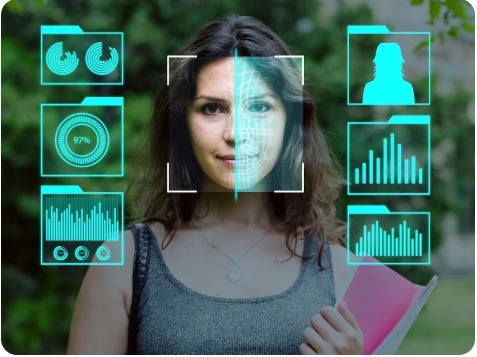
In a time of constant digital clutter, consumers look for more than functionality — they look for relevance. The dawn of personalization based on Artificial Intelligence (AI) has revolutionized the mobile app space, reconditioning static interfaces into adaptive, user-sensitive experiences that change dynamically with every interaction.
Why Personalization Matters
Personalization goes far beyond addressing users by name. It’s about delivering the right content, feature, or action — at the right time — based on individual behavior, preferences, and context. When done right, it leads to:
- Higher user engagement
- Improved retention rates
- Increased in-app conversions
- Stronger brand loyalty
Apps that feel intuitive and responsive create a sense of connection — as if they were built for each user individually.
How AI Powers Personalization
AI enables mobile apps to analyze large volumes of user data — clicks, swipes, search history, session length, location, and more — and use that data to make real-time decisions. Here’s how it works:
- Content recommendations: Streaming, news, and shopping apps tailor feeds based on past behavior.
- Dynamic interfaces: Apps adapt layout or featured content based on usage patterns.
- Predictive suggestions: AI can anticipate user needs (e.g., suggesting a repeat food order or offering reminders).
- Smart notifications: Push messages are sent at optimal times, with content likely to drive action.
- Voice & image recognition: AI enables more natural user inputs through smart assistants and camera-based tools.
Personalization in Different App Categories
- E-commerce: Product recommendations, personalized discounts, and tailored shopping experiences
- Health & wellness: Customized workout plans, dietary tips, and mood tracking
- Finance: Spending insights, budgeting nudges, and proactive alerts
- Education: Adaptive learning paths based on performance and interests
- Travel: Suggested itineraries, activity recommendations, and localized alerts
No matter the industry, AI-driven personalization helps transform utility into delight.
Balancing Personalization with Privacy
With great data comes great responsibility. Users are increasingly aware of how their information is collected and used. The key is to balance personalization with privacy through
- Transparent data policies
- Opt-in personalization features
- Local/on-device processing when possible
- User control over preferences and data
A privacy-conscious approach not only builds trust—it ensures long-term adoption and compliance.
Also Check: 10 Must-Ask Questions Before Choosing a Development Firm
7. Green Tech in Mobile: Designing for Sustainability
As mobile technology becomes more central to daily life, so does its environmental impact. From energy consumption to hardware waste and data storage, the mobile ecosystem contributes to a growing carbon footprint. In response, developers and companies are increasingly embracing green tech principles—not just as a corporate responsibility initiative, but as a core part of app design and development strategy.
Sustainable Development Is No Longer Optional
Consumers are becoming more environmentally conscious, and that awareness extends to the digital products they use. In fact, sustainability is now a factor influencing user loyalty, investor decisions, and even app store visibility in some regions.
For mobile apps and platforms, going green means more than just reducing emissions — it means designing experiences that are efficient, low-impact, and respectful of limited resources.
Key Strategies for Sustainable Mobile Development
- Energy-Efficient Coding
Efficient code doesn’t just improve performance — it reduces battery usage and lowers a device’s energy consumption. This includes:
- Optimizing background processes
- Reducing unnecessary refreshes or API calls
- Avoiding CPU-intensive tasks when not needed
- Lightweight Apps and Data Optimization
Heavy apps take longer to load, consume more bandwidth, and drain batteries faster. By minimizing asset sizes, compressing images, and caching content locally, developers can create apps that are both faster and more sustainable.
- Leveraging Low-Power Design Features
Modern mobile OS platforms offer tools that help conserve power, such as dark mode, low-power APIs, and sleep-aware operations. Integrating these features not only improves user satisfaction but also aligns with energy-conscious design goals.
- Cloud Infrastructure Powered by Renewable Energy
More developers are choosing cloud providers that commit to renewable energy use. Hosting an app on a green-certified infrastructure helps reduce its indirect carbon impact — a particularly important step for data-heavy apps.
- Device Longevity and Compatibility
Designing apps that run smoothly on older devices extends hardware lifecycles and reduces e-waste. Supporting a wide range of devices without forcing constant upgrades helps slow the hardware replacement cycle.
The Business Case for Green Design
Sustainable design isn’t just good ethics — it’s good business. Brands that adopt eco-friendly practices often see:
- Increased trust and loyalty from environmentally conscious users
- Positive brand differentiation in competitive markets
- Reduced operational costs through efficiency
- Greater compliance with emerging environmental regulations
Green tech in mobile app development is not a trend — it’s a shift in mindset. By designing with sustainability in mind, developers can create applications that are better for users, better for the planet, and better positioned for long-term growth. As demand for responsible technology rises, apps that align with eco-conscious values will lead the way forward.
8. 5G and Beyond: Building the Infrastructure for the Future

As mobile experiences become more immersive, data-intensive, and real-time, the need for ultra-fast, reliable connectivity has never been more critical. That’s where 5G comes in — not just as a step up from 4G, but as the foundational infrastructure powering the next generation of mobile innovation.
From low-latency applications to smart cities and connected devices, 5G is reshaping what’s possible on mobile. And as we look ahead, the industry is already exploring 6G and other emerging technologies to push boundaries even further.
How 5G Transforms Mobile App Capabilities
- Ultra-Low Latency and Real-Time Response
5G reduces latency to as low as 1 millisecond — making it ideal for real-time mobile applications such as AR navigation, remote healthcare, multiplayer gaming, and autonomous systems. This enables a level of responsiveness that simply wasn’t possible on earlier networks.
- Higher Bandwidth for Richer Content
Streaming high-resolution video, enabling VR/AR experiences, and transferring large datasets can now happen faster and more smoothly. Apps are no longer limited by bandwidth, which opens the door to more visually and functionally sophisticated interfaces.
- Increased Device Density Support
5G networks are designed to handle a massive number of simultaneous device connections — essential for the future of smart homes, wearables, and IoT ecosystems. This means developers can build mobile experiences that integrate seamlessly across a wider network of connected devices.
Preparing for the Next Phase: 5G-Ready Development
To take full advantage of 5G, developers and businesses must rethink app architecture and delivery:
- Edge Computing Integration
Bringing computing closer to the user reduces reliance on distant servers, improves speed, and reduces latency. Apps that rely on real-time data processing — like live translation or dynamic navigation — will benefit most from edge-first design.
- Adaptive Content Delivery
With 5G, apps can tailor the experience based on network conditions. For example, users on high-speed 5G can stream ultra-HD video, while those on 4G or Wi-Fi receive optimized formats.
- Cloud-Native and Serverless Infrastructure
Scalable, distributed app architecture will become standard. Developers will rely more on APIs, microservices, and cloud functions to support faster performance and on-demand scalability.
Looking Ahead: What Comes After 5G?
While 5G is still rolling out globally, research is already underway on 6G, promising even higher speeds, intelligent connectivity, and deeply integrated AI networking. The long-term vision includes:
- Ambient connectivity across physical and digital environments
- Terahertz data transfer for massive throughput
- Fully autonomous, AI-managed network layers
- Zero-latency AR/VR experiences and seamless holographic communication
For developers, this means staying agile and future-ready — continuously optimizing apps for evolving infrastructure while designing for scalability, adaptability, and next-gen use cases.
Suggested: Top AI Companies In Canada to Know
9. Security and Compliance as Core Development Principles
In today’s mobile-first world, users trust apps with everything from personal identities and financial data to real-time locations and health records. This trust, however, comes with high expectations. Security is no longer a feature — it’s a non-negotiable foundation of mobile app development. Likewise, compliance with data protection laws is now a baseline requirement, not an afterthought.
To stay competitive and credible, developers must bake security and compliance into every phase of the app lifecycle — from design to deployment and beyond.
Why Security Must Be Built-In, Not Bolted On
Rushed security fixes after deployment no longer cut it. With the rise in cyber threats targeting mobile platforms — including man-in-the-middle attacks, data leaks, and malicious injections — it’s critical that apps are architected with protection in mind from day one.
Best practices for secure mobile development include:
- End-to-end encryption for data in transit and at rest
- Biometric and multi-factor authentication for sensitive operations
- Secure APIs that limit data exposure and validate all inputs
- Minimal permissions to reduce the attack surface
- Regular code audits and penetration testing
Security must also be proactive — including real-time threat detection and secure update mechanisms to respond quickly to new vulnerabilities.
Meeting Global and Local Compliance Standards
Regulations like GDPR (EU), PIPEDA (Canada), CCPA (California), and HIPAA (U.S. healthcare) place strict rules on how apps collect, store, and share user data. Non-compliance can lead to significant legal and financial consequences — as well as reputational damage.
Key compliance requirements often include:
- Clear user consent mechanisms for data collection
- Transparent privacy policies outlining usage and rights
- Options for data access, modification, or deletion upon request
- Geo-restricted data storage where required
- Audit trails for data access and processing
App developers targeting global audiences must design systems that can be adapted for multiple legal environments — especially as privacy laws continue to evolve.
Security & Compliance Are Business Priorities
Beyond technical necessity, prioritizing security and compliance offers distinct business advantages:
- Builds user trust and brand credibility
- Reduces risk exposure to breaches and lawsuits
- Enhances app store approval rates, especially in financial or healthcare categories
- Strengthens partnerships with enterprises or public sector organizations that require strict standards
In modern mobile development, security and compliance aren’t optional extras — they’re pillars of sustainable success. By embedding these principles into architecture, processes, and culture, teams can deliver apps that are not only functional and fast — but safe, reliable, and legally sound. The mobile future belongs to those who earn and keep user trust, one secure interaction at a time.
10. Designing for Impact: UX as a Competitive Advantage

In a marketplace where users have endless choices at their fingertips, User Experience (UX) has emerged as a decisive factor in an app’s success or failure. A visually appealing interface is no longer enough — today’s mobile users expect intuitive, seamless, and emotionally resonant experiences from the very first tap.
UX is no longer just a design concern — it’s a core business strategy. Apps that prioritize usability, accessibility, and user satisfaction consistently outperform those that don’t.
Why UX Drives Mobile Success
Users form opinions about an app within seconds. If they encounter confusing navigation, slow load times, or cluttered screens, they abandon it — often for good. A strong UX keeps users engaged, reduces churn, and improves retention, making it a key driver of long-term growth.
Key UX benefits include:
- Higher engagement and session duration
- Lower bounce and uninstall rates
- Increased conversions and in-app purchases
- Greater user satisfaction and loyalty
Elements of Impactful Mobile UX
- Simplicity and Clarity
Mobile interfaces must be clean, minimal, and easy to navigate. Complex menus, excessive text, and hidden features often frustrate users and disrupt flow.
- Consistent Visual Language
Cohesive design elements (icons, fonts, colors, spacing) build familiarity and trust. A consistent design system reduces the learning curve and enhances professionalism.
- Accessibility and Inclusivity
Great UX considers all users — including those with visual, auditory, or motor impairments. Features like screen reader compatibility, high contrast modes, and gesture alternatives can dramatically improve app usability.
- Speed and Performance
UX isn’t just about how something looks — it’s also about how it works. Apps must load quickly, respond instantly, and feel smooth even under limited network conditions.
- Feedback and Microinteractions
Subtle animations, haptic feedback, and visual confirmations help users understand the outcome of their actions. These cues build confidence and create more enjoyable experiences.
UX as a Strategic Business Differentiator
Many of today’s top-performing mobile apps didn’t win on features alone — they won by solving problems more elegantly than the competition. By investing in UX, businesses can:
- Command premium pricing through perceived quality
- Reduce support tickets and onboarding time
- Increase word-of-mouth referrals and app store ratings
- Foster stronger emotional connections with their users
UX is not just about aesthetics — it’s about how users feel while using your app. In a saturated market, a superior user experience can be your most powerful competitive advantage. Apps that anticipate needs, reduce friction, and delight users don’t just succeed — they lead.
Read Also: How Mobile App Development Is Evolving in Calgary
11. Edge Computing: Bringing Intelligence Closer to the User

As mobile apps become more real-time, interactive, and data-heavy, sending every request to a distant cloud server creates friction. Latency, bandwidth costs, and reliability issues can break the experience. Edge computing addresses this by processing data closer to the user, either directly on the device or at nearby edge nodes.
Why Edge Computing Matters for Mobile
Edge computing reduces response times dramatically. Instead of waiting for round trips to the cloud, apps can make decisions instantly. This is critical for use cases where milliseconds matter.
Key benefits include:
- Ultra-fast responses for real-time interactions
- Reduced data transfer costs and cloud dependency
- Improved reliability in low-connectivity environments
Mobile Use Cases Powered by Edge Computing
- AR navigation and overlays that respond instantly
- Real-time language translation and speech processing
- Video analysis for security or retail applications
- IoT and smart device control through mobile dashboards
The Bigger Picture
When combined with 5G and on-device AI, edge computing enables mobile apps to feel immediate, intelligent, and resilient. It shifts mobile architecture away from cloud-first thinking toward experience-first design.
12. Voice-First and Multimodal Mobile Interfaces
Mobile interaction is no longer limited to taps and swipes. Voice commands, camera input, gestures, and contextual cues are becoming natural parts of how users interact with apps.
From Touch to Conversation
Voice-first interfaces are evolving from basic commands into full conversational experiences. Users can now search, navigate, transact, and receive support through natural language.
Voice-driven capabilities include:
- Hands-free navigation and commands
- Conversational search and recommendations
- Voice-enabled transactions and confirmations
Multimodal Experiences
Multimodal design combines multiple input methods into one fluid interaction. For example, a user scans a product with their camera, asks a question by voice, and receives a visual explanation on screen.
Why This Trend Is Accelerating
Advances in AI-powered speech recognition and natural language processing are making voice interaction faster, more accurate, and more human. Apps that support flexible input methods will feel more accessible and intuitive, especially for users with mobility or visual limitations.
13. Wearables and Mobile-Connected Ecosystems

Mobile apps are no longer standalone products. They are becoming central control hubs for a growing ecosystem of connected devices.
Mobile as the Command Center
Smartwatches, fitness trackers, AR glasses, health sensors, and connected vehicles rely on mobile apps for configuration, data visualization, and real-time control.
This shift requires developers to think beyond the phone screen and design:
- Companion experiences for wearables
- Continuous data synchronization across devices
- Context-aware features driven by sensor data
Key Industries Driving This Trend
- Health and wellness through biometric monitoring
- Enterprise productivity with hands-free tools
- Retail and logistics with real-time tracking
- Automotive and smart mobility platforms
What This Means for the Future
Mobile apps will increasingly serve as the brain of connected ecosystems. The challenge is ensuring seamless experiences across devices without overwhelming users.
14. Low-Code and No-Code Acceleration in Mobile Development
Speed matters more than ever, especially during early experimentation and internal product development. Low-code and no-code platforms are reshaping how quickly mobile app ideas move from concept to reality.
What Low-Code Enables
These platforms allow teams to build functional mobile experiences with minimal manual coding, using visual workflows and prebuilt components.
They are especially effective for:
- Rapid prototyping and MVP validation
- Internal tools and admin dashboards
- Workflow automation and data entry apps
What Low-Code Does Not Replace
Low-code tools are not a substitute for complex, performance-critical mobile apps. Instead, they complement traditional development by accelerating early stages and reducing engineering bottlenecks.
Strategic Impact
By lowering the barrier to experimentation, businesses can test ideas faster and reserve full-scale development for concepts that prove value.
15. Context-Aware Mobile Apps Powered by Sensors and Data

The next generation of mobile apps will not wait for instructions. They will anticipate needs based on context.
Understanding Context
Context-aware apps use device sensors and behavioral data to adapt in real time. This includes location, movement, time of day, biometric signals, and usage patterns.
Real-World Applications
- Fitness apps adjusting intensity based on fatigue
- Travel apps delivering location-specific guidance
- Productivity apps muting notifications during focus periods
- Retail apps adapting offers based on in-store behavior
Context-aware design reduces friction. Instead of forcing users to navigate menus or settings, the app adapts automatically, making interactions feel effortless and intelligent.
Must Check: Top App Development Trends in North America
Future-Proofing Mobile Apps: Adapting to What Comes Next
In the rapidly evolving world of mobile technology, building an app is no longer just about meeting current user needs—it’s about anticipating future expectations. With new devices, platforms, frameworks, and regulations constantly emerging, the most successful mobile apps are designed not only to perform today but also to adapt tomorrow.
Future-proofing is the strategic process of designing mobile apps to remain relevant, scalable, and competitive amid continuous change. It’s a mindset that prioritizes flexibility, modularity, and long-term thinking—not just speed to market.
Key Strategies for Future-Proofing Mobile Apps
- Build with Scalable Architecture
Modular and decoupled architecture allows you to update or replace features without overhauling the entire app. Using frameworks like micro frontends, serverless backends, or containerized APIs makes it easier to scale or integrate new services as your app grows.
- Embrace Cross-Platform Flexibility
Choosing cross-platform tools like Flutter or React Native can help your app stay adaptable across operating systems and devices. As new screen types and interfaces (foldables, wearables, car dashboards) emerge, a unified codebase simplifies expansion.
- Stay Compatible with OS and Hardware Evolution
Ensure your app is optimized for new OS versions and screen sizes from the start. Regular testing across device types and maintaining compatibility prevents fragmentation and keeps your app accessible to a wider user base.
- Plan for Regulatory and Privacy Changes
Data protection laws are evolving fast. Apps should be designed to accommodate changes in compliance—including data consent, localization, and deletion policies—without extensive reengineering.
- Use Analytics to Stay User-Centric
The best way to stay ahead of change is to understand it as it happens. Integrating usage analytics and feedback loops allows your team to adapt features based on real-world behavior — not guesswork.
Technologies That Support Longevity
- Cloud infrastructure: Offers scalable storage and computing on demand
- CI/CD pipelines: Enable fast, automated updates without disrupting users
- AI/ML integration: Allows dynamic, evolving functionality based on data
- API-first development: Supports easier integration with third-party services and platforms
Future-proofing your mobile app isn’t about predicting every trend — it’s about building with adaptability in mind. As user expectations shift and technologies advance, mobile apps that are flexible, scalable, and continuously optimized will be best positioned to lead the way. The future doesn’t wait—and neither should your development strategy.
Conclusion:
The mobile landscape is evolving faster than ever—not just in how apps are built, but in how users interact, engage, and expect value. From AI-driven personalization and green development practices to super apps and 5G infrastructure, the mobile app trends we’re seeing today are setting the stage for a smarter, more immersive, and more sustainable digital future.
For businesses, developers, and product teams, this means thinking beyond short-term goals. It requires embracing technologies that scale, designs that adapt, and experiences that resonate with real users. Whether it’s through progressive webnext—privacy-first security or UX-led innovation—the key to success lies in anticipating what’s next and being ready to meet it.
Mobile is no longer just a platform—it’s the foundation of modern digital life. By staying aligned with emerging trends and building with agility, you don’t just keep up—you lead.
FAQ’s For Mobile App Development Trends
1. What are the most important mobile app trends to watch in 2026 and beyond?
The most important mobile app trends include AI driven personalization, cross-platform development, privacy-first security, 5G-enabled experiences, sustainability-focused design, and ecosystem-based apps. Together, these trends show a shift toward smarter, faster, and more adaptive mobile products that integrate deeply into daily life rather than functioning as isolated tools.
2. How will AI change mobile apps in the coming years?
AI will make mobile apps more predictive and responsive. Instead of reacting to user input alone, apps will anticipate needs based on behavior, context, and patterns. This includes personalized content, smarter notifications, conversational interfaces, and real-time decision-making. The result is a more intuitive experience that feels tailored to each individual user.
3. Why are cross-platform frameworks becoming so popular?
Cross-platform frameworks allow teams to build once and deploy across multiple platforms with consistent behavior and design. This reduces development time, lowers costs, and simplifies maintenance. As user expectations rise and device diversity increases, these tools help businesses move faster without sacrificing quality or long-term scalability.
4. What role does privacy play in future mobile app development?
Privacy is becoming a core design principle rather than a compliance checkbox. Users expect transparency, control, and minimal data collection. Future mobile apps will increasingly rely on on-device processing, clear consent flows, and granular permissions. Prioritizing privacy builds trust, improves adoption, and ensures alignment with evolving global data regulations.
5. Are super apps realistic outside of large global markets?
Super apps are expanding beyond their early success in Asia, but their form may vary by region. In many markets, bundled ecosystems rather than full super apps are more practical. These combine related services into one platform, reducing friction while avoiding overload. The key is thoughtful integration that adds value without complicating the experience.
6. How does sustainability influence mobile app design?
Sustainability affects how apps are coded, hosted, and maintained. Efficient code reduces battery usage, lightweight assets lower data consumption, and long device compatibility reduces electronic waste. Many teams also choose cloud providers that use renewable energy. These practices benefit users, reduce costs, and align products with growing environmental expectations.
7. What does it mean to future-proof a mobile app?
Future-proofing means designing apps to adapt to change rather than locking them into current assumptions. This includes scalable architecture, flexible technology choices, analytics-driven iteration, and readiness for new regulations or devices. Apps built this way can evolve smoothly as user behavior, platforms, and infrastructure continue to change.
8. How can businesses prepare for these mobile app trends today?
Businesses should start by focusing on user experience, data responsibility, and technical flexibility. Investing in scalable architecture, AI ready foundations, and cross-platform strategies helps teams adapt faster. Staying informed about emerging technologies and testing ideas early ensures products remain relevant as mobile expectations continue to evolve.


Pankaj Arora is a seasoned technology leader and the Founder of Calgary App Developer, with 10+ years of expertise in crafting high-performance digital solutions. His core competencies include full-stack app development, cloud-native architecture, API integration, and agile product delivery. Under his leadership, Calgary App Developers has empowered startups and enterprises alike with scalable mobile applications, secure web platforms, and AI-driven SaaS products.