











Top AI Service Providers in Canada | Calgary's Local Choice
If your business hasn't started exploring AI yet, you're already behind. That's...
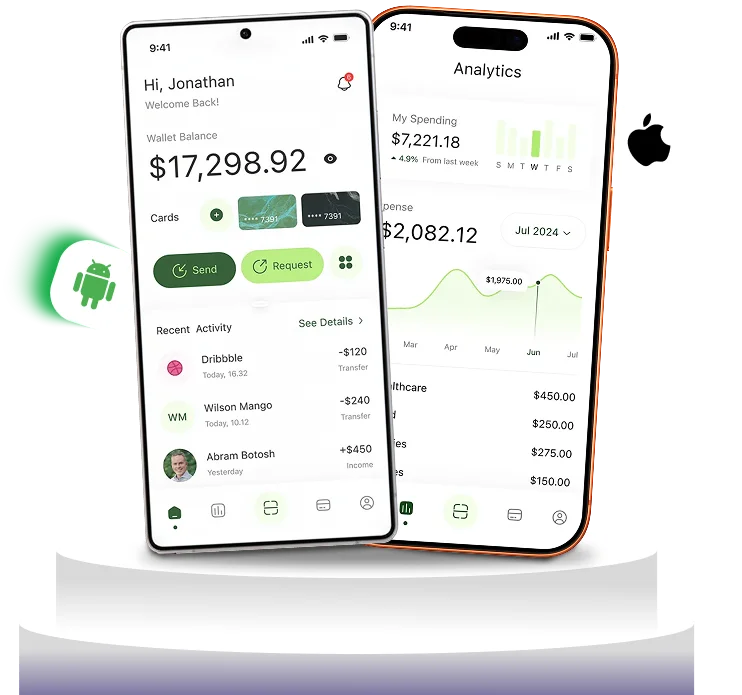
Create fast, reliable native mobile applications tailored for iOS and Android using platform-specific expertise, ensuring smooth performance, strong security, and a user experience designed to scale with your business growth.

200+
Native app developers delivering high-performance, platform-optimized mobile solutions

100+
Custom native apps built for speed, reliability, and seamless user experiences

12+
Years of expertise in building scalable iOS and Android applications

50+
Businesses transformed with tailored native mobile app development solutions
Build and launch high-performance mobile applications quickly with our Native App development company, combining platform-specific expertise, scalable architecture, and optimized performance to deliver reliable apps that grow with your users, adapt to evolving needs, and support long-term business success across iOS and Android platforms.

Canada-Based

Local Compliance

Cultural Fit

Time-Zone Aligned

North American Talent
Connect with our experts and begin development within 24 hours
From strategy and design to development and deployment, we deliver scalable, high-performance native mobile apps tailored to your business goals.
Covers performance, platform-specific design, scalability, security, and seamless integration to ensure reliable native apps that deliver consistent user experiences across devices.

Native mobile apps are built using platform-specific technologies, enabling faster load times, smooth navigation, and efficient resource usage. This results in responsive applications that handle complex tasks easily while maintaining consistent performance across different devices and operating conditions.

Interfaces are designed according to platform guidelines, ensuring familiar navigation patterns and fluid interactions. This leads to a more engaging experience where users can interact naturally with the app, improving usability, retention, and overall satisfaction across iOS and Android environments.

Native development allows deeper integration with device-level security features, enabling better data encryption, secure authentication, and protection against vulnerabilities. This helps safeguard sensitive information while ensuring compliance with modern security standards and delivering trustworthy user experiences.
Native mobile app frameworks are built to work seamlessly within iOS and Android ecosystems, providing the tools required to develop high-performance, reliable, and feature-rich applications. Combined with Swift for iOS and Kotlin for Android, these frameworks support efficient development, smooth user experiences, and advanced functionality.
UIKit
Foundation
SwiftUI
Core Data
Core Animation
Core Graphics
AVFoundation
MapKit
SceneKit
HealthKit
ARKit
SpriteKit
Android SDK
Android Studio
Jetpack
Android NDK
Material Components
Room
Work Manager
Constraint Layout
LiveData and ViewModel
Glide and Picasso
ExoPlayer
Google Maps Android API
Native apps are built specifically for a single platform, such as iOS or Android, using platform-specific languages and frameworks. This allows full access to device features, better performance, and smoother user interactions. They are ideal for applications that require speed, complex functionality, or high reliability.
Hybrid apps, on the other hand, are developed using web technologies and wrapped in a native container to run across multiple platforms. While this approach reduces development time and cost, it often comes with trade-offs in performance, responsiveness, and deep device integration.
What this really means is the choice depends on priorities. Native apps suit businesses focused on performance and long-term scalability, while hybrid apps work well for quicker launches and simpler use cases.
| Aspect | Native Apps | Hybrid Apps |
|---|---|---|
| Performance | High and optimized for each platform | Moderate, depends on web layer |
| User Experience | Smooth and platform-specific | Less consistent across devices |
| Development Time | Longer due to separate builds | Faster with a shared codebase |
| Cost | Higher initial investment | More cost-effective initially |
| Device Access | Full access to device features | Limited compared to native |
| Scalability | Strong and future-ready | May face limitations over time |
Focuses on performance optimization, platform guidelines, clean architecture, and testing to build reliable native apps that deliver consistent user experiences and scalability.

Design follows platform-specific guidelines to ensure familiarity and ease of use. This creates intuitive navigation, consistent interactions, and a user experience that feels natural on both iOS and Android devices.

Layouts are designed to adjust smoothly across different screen sizes and resolutions. This ensures consistent usability and visual balance, delivering a reliable experience across smartphones, tablets, and varying device configurations.

Accessibility features are integrated to support users with diverse needs, including visual, auditory, and motor considerations. This improves usability, broadens reach, and ensures compliance with modern accessibility standards.

Content is tailored to different languages, regions, and cultural preferences. This enhances user engagement by delivering relevant experiences that resonate with local audiences while maintaining consistency across global markets.

Focus on efficient code, resource management, and hardware utilization to ensure fast load times, smooth interactions, and consistent performance across devices and operating conditions.

Applications are designed to manage varying network conditions with offline support, data caching, and efficient synchronization, ensuring uninterrupted functionality and a stable user experience even with limited connectivity.

Device features such as camera, GPS, and sensors are used thoughtfully to enhance functionality without overloading the system, maintaining performance balance while delivering meaningful user value.

Security is built into every layer with encryption, secure authentication, and data protection practices. This reduces vulnerabilities and safeguards sensitive information across devices and user interactions.

Regular updates address bugs, enhance features, and maintain compatibility with evolving operating systems. This ensures long-term stability, improved performance, and a consistently reliable user experience.

Extensive testing covers performance, security, usability, and compatibility across devices. This helps identify issues early, ensuring stable releases and minimizing risks after deployment.

User behavior and performance data are tracked to uncover meaningful insights. This helps refine features, improve usability, and support informed decisions that enhance overall app effectiveness.

Engagement features such as personalized content, notifications, and updates keep users active and connected. This encourages retention, builds loyalty, and strengthens long-term interaction with the app.
Build high-performance mobile applications quickly with our Native Mobile App Development company, combining platform-specific expertise, scalable architecture, and optimized performance to deliver reliable apps that meet user expectations and support long-term business growth across iOS and Android platforms
Get expert development support and kickstart your project
Delivers tailored native mobile app solutions for various industries, ensuring performance, scalability, and seamless user experiences aligned with specific business needs and goals.

Reliable apps supporting patient care and medical workflows.

Efficient apps streamlining operations and production management.

Apps enabling data-driven investment insights and portfolio management.

Apps improving guest services and operational efficiency.

Apps supporting property search, listings, and transactions.

Scalable apps driving digital transformation and system efficiency.

Apps streamlining claims, policies, and customer interactions.

Apps enhancing connectivity, navigation, and vehicle management.
A structured approach ensures faster development, clear communication, and efficient execution, delivering high-performance native apps with reduced delays and predictable outcomes.

The process begins with understanding business goals, user expectations, and technical requirements. This stage defines project scope, identifies challenges, and sets a clear direction, ensuring every decision aligns with desired outcomes and long-term application success.

Initial planning focuses on setting timelines, defining milestones, and aligning stakeholders. Clear communication channels are established to ensure smooth coordination, allowing the project to move forward with clarity, speed, and a well-structured execution plan.

A focused strategy is created based on project needs, followed by assembling the right mix of developers, designers, and specialists. This ensures the project is supported by the required expertise, enabling efficient execution and consistent progress.
Businesses trust Calgary App Developer as their Native App development company for delivering high-performance, scalable mobile apps backed by deep platform expertise, reliability, and consistent results.

Security is integrated across every stage of native app development, from architecture to deployment. Strong encryption, secure authentication, and data protection practices help prevent vulnerabilities, ensuring sensitive information remains protected while maintaining compliance with modern security and privacy requirements.

A broad range of native mobile app solutions supports diverse business needs, from simple applications to complex, feature-rich platforms. This flexibility allows alignment with different industries, user demands, and growth stages while maintaining consistent performance and scalability.

Flexible engagement models provide options that align with project scope, timelines, and budget requirements. Whether for short-term development or long-term collaboration, this approach ensures efficient resource utilization, transparent communication, and the ability to scale efforts as business needs evolve.
Partner with our team and start your project within 24 hours

If your business hasn't started exploring AI yet, you're already behind. That's...

Technology projects rarely fail because the software simply cannot be built. More...

Smartphone application development is one of those investments where the real cost...

The Last Mile is where delivery businesses win or lose customer trust....
Native app development is still the gold standard for businesses that need...

In May 2026, Google quietly changed the conversation around app development. Its...

Customers rarely remember how efficiently a product moved through warehouses, distribution centres,...

Canadian agriculture is getting more and more data driven. From the big...
Businesses planning a mobile app in 2026 are asking a much sharper...
How Native App Development Enhances Performance and User Experience?
Native app development improves performance by using platform-specific technologies that optimize speed, responsiveness, and stability. Direct access to device hardware ensures smooth interactions, faster load times, and efficient resource usage. This leads to intuitive user experiences, better engagement, and higher retention across both iOS and Android platforms.
How to Select the Right Native Mobile App Development Partner?
Choosing the right native app development company involves evaluating technical expertise, past projects, and platform knowledge. Strong communication, clear processes, and scalability capabilities are essential. A reliable partner focuses on performance, security, and long-term support, ensuring the app aligns with business goals and delivers consistent results over time.
Why Choose Native Apps Over Hybrid Solutions?
Native apps offer superior performance, smoother user experiences, and better access to device features compared to hybrid solutions. They are more reliable for complex functionalities and provide stronger security. While development may take longer, native apps deliver long-term scalability, stability, and a higher quality experience tailored to each platform.
Can Native Apps Be Built for iOS and Android Together?
Native apps can be developed for both iOS and Android, but each platform requires a separate codebase and development approach. Teams often work in parallel using platform-specific tools and languages. This ensures each app meets platform standards, delivers optimized performance, and provides a consistent yet tailored user experience.
Advanced Features That Improve Native App User Experience?
Advanced features such as real-time updates, push notifications, offline capabilities, and integration with device hardware enhance the user experience. Native apps also support smooth animations, personalized content, and high-level security. These capabilities create engaging, responsive applications that meet modern user expectations and improve long-term retention.