






Online Ordering Systems for Restaurants: A Complete Guide
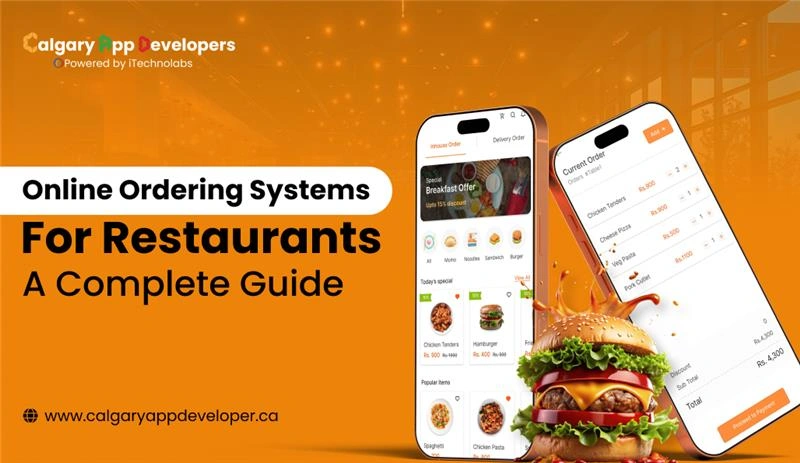
Your restaurant stands at a pivotal moment. Consumers expect more than a phone call and pickup at the counter. They want the convenience of browsing menus online, placing orders with a click, and having food arrive at their door with minimal fuss. That means embracing one of the best online ordering systems, not as a tech add-on but as a core part of your business.
Look at the numbers.
Globally, the online food-delivery market grew from about USD 156.75 billion in 2024 to USD 173.57 billion in 2025, and revenues are projected to reach nearly USD 988.80 billion by 2029.
And more than 60 % of consumers say they prefer ordering directly from restaurants rather than through third-party platforms, underscoring the value of owning your online ordering channel.
What this really means is this: your restaurant can no longer wait on “maybe we’ll get there.” The shift to digital is happening now. If you invest early in a reliable online ordering system, you’ll gain access to more orders, better margins, and stronger customer loyalty. If you delay, you risk losing ground to competitors who are already mastering the space.
In the sections ahead, you’ll find a full roadmap for preparing your restaurant for the launch of an online ordering system, from evaluating your operations to selecting the right platform to refining your menu for digital appetite to training your team to analyze performance after launch. Let’s get started.
TL;DR
- Online ordering has become essential for restaurant growth and customer convenience.
- A strong setup requires the right platforms, trained staff, and an optimized digital menu.
- Testing and promotion decide how smoothly your online ordering channel gains traction.
- Avoiding common operational mistakes protects customer experience and long-term revenue.
Key Points
- Online ordering demand continues to rise and gives restaurants a chance to reach more customers while improving order accuracy and efficiency.
- Choosing between direct ordering, third-party platforms, or a hybrid model affects profitability, visibility, and operational control.
- A clear workflow, trained staff, and a focused menu help restaurants manage digital orders without slowing down the kitchen.
- Testing every part of the ordering process reduces errors and ensures a reliable experience for customers.
- Promoting the new ordering channel through social media, signage, and updated business profiles helps drive early adoption.
- Monitoring performance data and avoiding common mistakes leads to better margins, stronger customer loyalty, and sustained digital growth.
Why Online Ordering Matters for Restaurants Today
Customer behavior has shifted in a permanent way. People want the freedom to browse menus on their phones, compare options quickly, and place an order without waiting on a call. This shift has pushed restaurants to treat Online Ordering Systems as a core part of their operations rather than an optional upgrade.
Online demand keeps climbing. More than half of diners now choose restaurants based on how easy it is to order from them digitally. Direct online orders also help restaurants keep more of their revenue instead of losing a portion to aggregator fees. With a strong online channel, even smaller restaurants can compete with national chains because convenience levels the playing field.
Another factor is predictability. When orders flow through a structured online system, kitchens can manage volume better. There are fewer errors, faster turnaround times, and a smoother rhythm during peak hours. It also creates a consistent guest experience, something that is impossible to guarantee through manual phone orders.
The biggest advantage is data. Online Ordering Systems give restaurants a clear view of what customers buy, when they buy, and how often they return. That information helps you craft better menus, adjust pricing, and run targeted promotions that actually deliver results.
Online ordering is no longer about keeping up with trends. It is about building a reliable revenue channel that supports growth, improves operations, and strengthens customer relationships. Restaurants that invest in this shift today position themselves for long-term stability in a market that is becoming more digital every year.
Also Read: How to Create Online Ordering for Restaurants
How to Get Your Restaurant Ready for Online Ordering
Shifting to Online Ordering Systems calls for a clear plan. The transition works best when you prepare your tools, your people, and your menu with intention. The steps below walk your restaurant through the full setup in a practical, easy-to-follow sequence.
Step 1. Find Out Which Third-Party Food Apps Are Most Used in Your Area
Your first move is understanding what customers in your city actually use. Each market leans toward a few preferred apps, and those apps influence where you should list your restaurant. Once you know the local leaders, you can make informed decisions about visibility, commissions, and customer reach.
| App | Calgary | Toronto | Vancouver |
| Uber Eats | 38% | 44% | 42% |
| DoorDash | 46% | 49% | 47% |
| SkipTheDishes | 10% | 5% | 6% |
| Fantuan | 6% | 2% | 5% |
| JUST EAT | 12% | 8% | 9% |
Notes
- The “%” figures represent the share of consumers in that city who used the given app for restaurant delivery at least once in the past year.
- Actual usage will vary by neighbourhood, cuisine type, device user-base, etc.
- Use local analytics, POS reports or regional studies for accurate data.
- National data shows that in Canada 54% of consumers used Uber Eats in the past year and 49% used DoorDash.
Step 2. Decide Your Online Ordering Setup
Your setup determines how you earn, who you reach, and how your operations run. Restaurants usually choose one of three paths: third party only, direct ordering only, or a hybrid mix.
Key factors to evaluate:
- Third-party apps are useful for reach but have lower profit margins.
- Direct ordering protects your brand and gives access to customer data.
- Hybrid setups balance growth with control.
- Your POS must support the channel mix you select.
Popular Custom Online Ordering platforms
| Platform | Starting Price | Commission |
| iShopo | From $299 per month | 0 percent |
| BentoBox | From $149 per month plus setup costs | 0 percent |
| Owner | $499 per month | 0 percent |
| Square Online Ordering | Varies by plan | Standard payment processing fees only |
| Menufy | Free setup, variable monthly cost | Credit card fee about 2.75 percent plus $0.30 |
Strategic tip:
Think of your ordering setup as a long-term revenue engine. Begin with the options that match your capacity, then expand as you refine operations.
Step 3. Prepare Your Operations and Staff Workflow
This step shapes the real success of Online Ordering Systems. Even the most advanced tools fail if staff workflow is not aligned with digital demand.
Core operational tasks
- Create a clear route for orders to enter the kitchen.
- Decide who manages online order screens during each shift.
- Build a clean packaging and pickup station away from the dine-in flow.
- Set rules for priority during rush hours.
Training focus points
- Teach staff how to verify tickets and avoid duplication
- Practice handling payment concerns and delivery driver interactions.
- Walk through common customer issues and ready-made resolutions.
Consistent training ensures your team can handle high volume without stress or confusion.
Read Also: Restaurant Website Development Cost Guide
Step 4. Optimize Your Menu for Online Ordering
Your digital menu is often the first touchpoint for new customers. A good menu reduces friction and encourages higher-order values.
Menu improvements to make
- Trim categories so customers do not feel overwhelmed.
- Remove dishes that do not travel well.
- Highlight items that are profitable and fast to prepare.
- Use clear, short descriptions that support fast decision-making.
Operational benefits
- Faster kitchen workflow.
- More consistent packaging.
- Fewer complaints about temperature, spills, or quality.
When your online menu is structured well, customers order faster, and your team prepares orders with fewer errors.
Step 5. Test Your System Before Fully Launching
Testing protects your brand reputation and helps you discover weak spots before paying customers encounter them.
What to test
- Full order flow from customer screen to meal pickup.
- POS routing and kitchen screen timing.
- Payment success, refunds, and special instructions.
- Packaging strength during short and long trips.
Helpful scenarios to run
- High-volume periods
- Late-night orders with fewer staff.
- Orders with allergies or customization.
- Failed transactions and soft declines.
Testing helps you refine both the tech and the human side of your operations.
Step 6. Launch and Actively Promote Your Online Ordering
An online ordering channel grows only when customers know it exists and feel confident using it.
Launch actions
- Announce your new ordering channel through social media, email, and in-store displays.
- Offer an introductory benefit to encourage the first wave of orders.
- Train staff to guide walk-in guests to the online system.
- Update your Google Business Profile and website links.
Post-launch habits
- Track daily order volume and customer feedback.
- Adjust prep times to match real kitchen speed.
- Refresh your menu based on performance data.
- Continue promoting your direct ordering link on all channels.
A focused launch builds momentum and sets up long-term success for your digital revenue stream.
Also Read: How To Build Restaurant App For Food Ordering Business
Common Mistakes Restaurants Make and How to Avoid Them
Even the best Online Ordering Systems cannot fix mistakes that come from poor planning or rushed execution. Many restaurants struggle not because the technology is weak but because the setup behind it is incomplete. This section highlights the most common errors and shows you how to avoid them with simple, practical steps.
Mistake 1. Treating online ordering as an add-on
Many restaurants switch to online ordering without adjusting their operations. This leads to slow prep times, missed tickets, and frustrated customers.
How to avoid it
- Build a clear workflow for how digital orders enter the kitchen.
- Assign a team member responsible for monitoring incoming orders.
- Train every shift on handling spikes in digital demand.
Mistake 2. Offering the entire dine-in menu online
Not every dish survives travel or high-volume preparation. A large, complicated menu increases errors and delays.
How to avoid it
- Remove items that do not travel well.
- Reduce customizations that slow down the kitchen.
- Focus on dishes with strong packaging and fast prep time.
Mistake 3. Ignoring menu pricing for online platforms
Delivery packaging, commissions, and labor affect profitability. Restaurants often copy dine-in prices and lose margin.
How to avoid it
- Adjust prices to reflect true preparation and packaging costs.
- Highlight items with better margins to balance platform fees.
- Use bundles or combos to lift average order value.
Mistake 4. Not testing the full system before going live
Skipping a test run is a fast path to order failures, incorrect bills, and upset customers.
How to avoid it
- Place multiple test orders on every platform you use.
- Test payment failures, refunds, and special instructions.
- Check prep time accuracy and driver pickup flow.
Mistake 5. Launching without promotion
Online ordering will not grow on its own. If customers do not know you accept online orders, they will choose competitors who communicate clearly.
How to avoid it
- Announce your direct ordering link across your social media, website, and Google profile.
- Train staff to mention your online channel to walk-in customers.
- Add clear in-store signage at the entrance and billing counter.
Mistake 6. Not monitoring performance data
Online Ordering Systems generate valuable insights. When restaurants ignore metrics, they miss opportunities to improve speed, consistency, and profitability.
How to avoid it
- Review order volume, average order value, and cancellations weekly.
- Check which dishes sell online and which slow down the kitchen.
- Adjust prep times and staffing based on real patterns.
Mistake 7. Poor packaging choices
Weak packaging leads to spills, soggy items, and negative reviews that hurt your ratings.
How to avoid it
- Choose containers that maintain temperature and structure.
- Test packaging for long travel times.
- Create a standard packing station so every order looks consistent.
A strong online ordering channel comes from awareness, preparation, and ongoing optimization. Avoiding these common mistakes ensures your restaurant delivers a reliable digital experience that keeps customers returning.
Read Also: How to Boost Sales With Online Ordering Platform for Restaurants
Conclusion
Preparing your restaurant for Online Ordering Systems is not just a technology upgrade. It is a shift in how you serve customers, manage operations, and grow revenue. When you understand local demand, choose the right ordering setup, streamline your workflow, refine your digital menu, test thoroughly, and promote your launch with intent, you build a channel that supports your business every day.
The restaurants that succeed in the digital space are the ones that treat online ordering as a long-term strategy. They use data to make decisions, train their teams to handle volume, and continuously improve the customer experience. This approach creates steady orders, stronger loyalty, and a more predictable business even in competitive markets.
Online ordering is now a core expectation for diners. Your readiness today shapes your advantage tomorrow. With the right planning and execution, your restaurant can offer a smooth, reliable, and profitable online ordering experience that keeps customers coming back.


Pankaj Arora is a seasoned technology leader and the Founder of Calgary App Developer, with 10+ years of expertise in crafting high-performance digital solutions. His core competencies include full-stack app development, cloud-native architecture, API integration, and agile product delivery. Under his leadership, Calgary App Developers has empowered startups and enterprises alike with scalable mobile applications, secure web platforms, and AI-driven SaaS products.