





Top Restaurant Mobile App Features to Boost Your Food Business
Running a restaurant today means competing for attention on the same screen your customers use for everything from work to entertainment. A well-built app gives your brand a place on that screen, and that space can influence buying habits more than any signboard outside your door. Customers now expect smooth ordering, quick checkouts, easy rewards, and updates that feel personal.
Recent data shows that when restaurants offer their own mobile app, something interesting happens. For example, in 2025, a survey of quick-service restaurant (QSR) customers aged 18–54 found that 70 percent used a smartphone app to place orders ahead.
Meanwhile, 60 percent of all digital restaurant orders now come through mobile apps rather than websites or phone orders.
That shift has made restaurant mobile app features a serious growth lever for businesses that want stronger loyalty and more frequent orders.
- A strong mobile app helps restaurants meet rising demand for digital ordering.
- Essential features such as loyalty tools, real-time tracking, and secure payments improve customer satisfaction.
- Direct ordering and smart promotions increase revenue and reduce reliance on third-party platforms.
- A feature-rich app strengthens customer loyalty and supports long-term business growth.
- Modern diners expect quick ordering, personalized experiences, and reliable updates, which makes a dedicated mobile app essential for restaurants.
- Direct in-app ordering protects profit margins and helps restaurants maintain control over pricing, promotions, and customer data.
- Features like digital menus, loyalty programs, push alerts, and live order tracking create a smoother and more engaging customer experience.
- Real-world examples from major brands show that smart digital features can increase retention, boost order volume, and build stronger trust.
- A well-designed restaurant app supports growth by improving operations, enhancing customer relationships, and encouraging repeat visits.
Why Your Restaurant Benefits from a Mobile App
Customers want speed, clarity, and comfort when they place an order. A dedicated app gives them all of that in a single place. People are already choosing digital ordering more often than traditional methods, and an app helps your restaurant stay visible, responsive, and ready for every craving.
Think of it as building your own space where you control the experience from the moment someone opens the menu to the moment their order reaches the table or doorstep. The right restaurant mobile app features make this shift more than a convenience. They turn everyday interactions into reliable revenue.
- Stronger Alignment with Customer Habits: Most diners now expect to browse menus, customize orders, and pay without switching between platforms. Your app meets this expectation without friction.
- Better Ownership of Customer Insights: An in-house app gives you direct access to preferences, order patterns, and feedback. This creates room for targeted offers that feel relevant rather than random.
- Relief from High Commission Platforms: Relying on outside delivery services often cuts into your margins. Your own app brings customers straight to you and protects your earnings.
- A Clear Path to Loyalty Growth: Built-in rewards, points, and app-only deals motivate repeat visits and deepen customer attachment to your brand.
- Higher Order Volume and Value: A simple interface encourages customers to explore more items, place additional orders, and return more often.
When you invest in thoughtful restaurant mobile app features, you shape the entire customer experience in a way that benefits both guests and your bottom line.
Essential Features Every Restaurant App Should Include
1. Zero Commission Ordering
A direct ordering feature keeps all customer transactions within your own app. When guests order through a third-party service, every sale loses a portion of its value. With your own commission-free system, the entire purchase stays connected to your restaurant. You decide the menu prices, discount structure, and delivery charges without outside influence. This gives you full power to shape the customer journey while protecting your earnings.
Importance
- Preserves your full profit on every single order.
- Strengthens long-term customer loyalty because guests interact directly with your brand.
- Allows you to adjust pricing instantly without waiting for third-party approvals.
- Helps your marketing campaigns deliver more impact because customers always return to your app.
Example
Domino’s directs the majority of its online orders through its own digital platforms instead of third-party providers. This approach has protected its margins for years and helped the brand maintain a consistent customer experience across all locations.
2. Flexible Digital Menu and QR Ordering
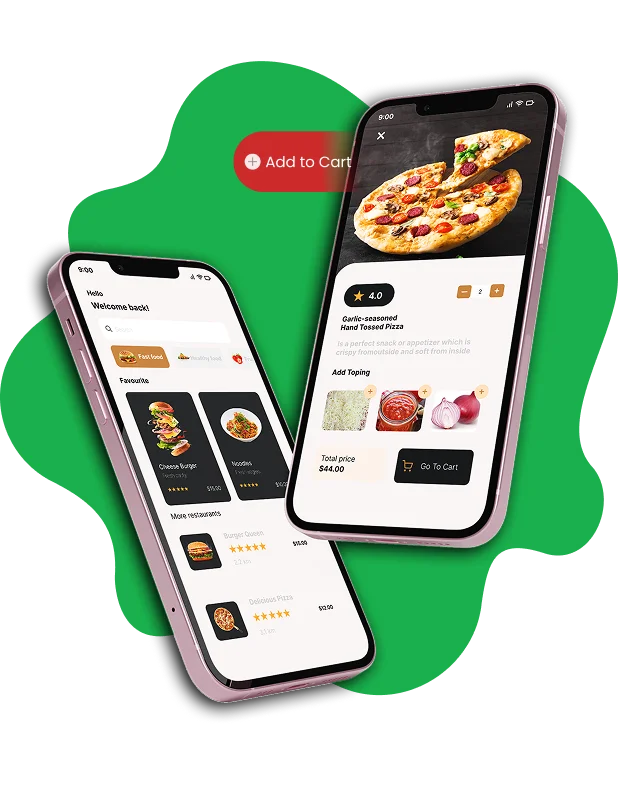
A flexible digital menu helps you present the most accurate version of your offerings every moment of the day. You can highlight fresh arrivals, showcase limited-time dishes, or remove unavailable items without any delay. When customers scan a QR code at their table, they enter a simple and intuitive menu experience that removes guesswork. This creates a smoother ordering flow for dine-in and takeout customers.
Importance
- Makes menu management effortless for your staff.
- Reduces confusion because customers always see the most current information.
- Supports visual menus with appealing photos and detailed descriptions.
- Creates a faster ordering cycle for dine-in guests using QR access.
Example
McDonald’s uses QR based menus in many regions. Customers scan the code to browse updated items and place digital orders. This process reduces lines, improves service speed, and allows the staff to focus more on hospitality.
3. Built-In Delivery Management
Integrated delivery tools bring the entire process into one connected system. Customers place their order, track preparation, and follow the journey of the delivery without leaving your app. This builds confidence in your service and reduces frustration caused by unclear timelines. Your kitchen team and delivery staff also stay in sync because the entire workflow lives in the same platform.
Importance
- Improves order accuracy because all details stay within a single system.
- Helps you manage delivery time estimates based on real kitchen activity.
- Reduces dependency on external delivery providers.
- Creates a predictable and reassuring customer experience.
Example
Domino’s is widely known for its internal delivery system that shows each stage of the process. The tracker has become a signature part of the brand and has played an important role in building customer trust around fast and reliable delivery.
4. Loyalty and Reward Tools
A powerful loyalty program turns occasional customers into consistent supporters. When guests earn points, unlock rewards, or receive exclusive benefits, your restaurant becomes their preferred choice. A well-designed rewards system gives customers a reason to return more often, explore more dishes, and stay connected to your brand through ongoing incentives.
How it Help
- Encourages customers to make your app their primary ordering choice.
- Raises customer lifetime value by increasing visit frequency.
- Allows you to develop tier-based or event-based reward structures.
- Helps you understand individual preferences for more personalized offers.
Example
Starbucks has built one of the strongest loyalty programs in the food industry. The Starbucks Rewards system has significantly increased customer retention, and a large percentage of its global transactions now come from customers who regularly use the app to collect stars and redeem perks.
Also Read: How to Create a Branded Mobile App for Restaurants?
5. Smart Promotion Engine
A smart promotion system helps your restaurant send offers that match real customer behavior. Instead of delivering generic discounts, the app studies ordering patterns, favorite dishes, spending levels, and visit times. It then creates targeted recommendations that feel personal and relevant. This increases sales without wasting resources on broad promotions that do not convert.
Importance
- Enhances marketing efficiency by focusing on customers who are most likely to purchase.
- Encourages customers to discover new items through well-timed suggestions.
- Creates a personalized experience that increases customer satisfaction.
- Boosts order volume by delivering promotions when customers are most active.
Example
Burger King uses behavioral data within its app to send targeted offers. The system identifies patterns such as time of day and preferred menu items, then sends deals that match those habits. This strategy has helped increase mobile orders in several regions.
6. Intelligent Review Assistant
An intelligent review assistant gathers feedback from customers, organizes it into clear insights, and helps you understand patterns that might not be immediately obvious. Instead of manually reading through long strings of reviews, the system highlights recurring themes, identifies common complaints, and shows what customers appreciate the most. This leads to smarter decisions about food quality, service speed, or menu improvements.
Importance
- Helps you analyze feedback quickly and accurately.
- Makes it easier to identify areas that need improvement.
- Shows which dishes and experiences customers enjoy the most.
- Builds a stronger reputation by helping you respond thoughtfully.
Example
Chipotle monitors customer reviews and social feedback to understand sentiment around new menu items. This helps the brand adjust recipes and launch improvements based on real customer reactions.
7. Secure and Simple Payments
A reliable payment system builds trust and convenience. Customers want the freedom to pay with cards, digital wallets, UPI, or net banking without delays or errors. A smooth payment experience reduces cart abandonment, encourages repeat purchases, and increases customer confidence in your brand.
Importance
- Reduces friction during checkout.
- Supports multiple payment options to suit each customer.
- Builds trust by ensuring secure transactions.
- Increases the likelihood of completed orders.
Example
Starbucks offers multiple payment methods inside its app, including its own stored value wallet. This convenience plays a major role in why millions of customers continue to use the app for everyday purchases.
8. Timely Push Alerts
Push alerts allow you to stay connected with customers even when they are not actively using your app. Order updates, special offers, limited-time deals, and loyalty milestones can all be delivered in quick, timely notifications. When handled thoughtfully, these alerts keep customers engaged without overwhelming them.
Importance
- Keeps customers informed during the entire ordering process.
- Reignites interest during slow hours with well-timed offers.
- Helps promote new menu items effectively.
- Reminds loyalty members about expiring points or rewards.
Example
Dunkin sends targeted push alerts to promote limited-time beverages and seasonal items. These notifications often drive significant spikes in mobile orders during promotional periods.
9. Easy Table Booking
A table reservation feature gives customers a fast and dependable way to secure a spot during busy periods. Instead of calling the restaurant or waiting in line, diners reserve through the app and receive instant confirmation. This reduces wait times, improves dine-in satisfaction, and helps your staff manage seating more efficiently.
Importance
- Eliminates long wait lines and reduces walk-away customers.
- Makes it easier for staff to plan ahead for peak hours.
- Gives customers more control over their dining experience.
- Creates a smooth and frustration-free reservation process.
Example
Olive Garden allows customers to join the waitlist or reserve a table online. This approach has helped reduce crowding during peak times and increased overall guest satisfaction.
Read Also: How to Boost Sales With Online Ordering Platform for Restaurants
10. Live Order Progress Updates
Customers feel more relaxed when they know exactly what is happening with their order. Live progress updates show every stage from preparation to packing to out for delivery. This level of transparency reduces customer anxiety, prevents unnecessary support calls, and builds trust in your restaurant’s service.
Importance
- Reduces uncertainty during the waiting period.
- Helps customers plan their time better.
- Creates confidence in your delivery accuracy.
- Enhances the overall brand experience.
Example
Domino’s became famous for its real-time order tracker. Customers can see when their pizza enters the oven, when it leaves the store, and when the driver is on the way. This feature has played a major role in shaping customer trust and loyalty.
11. Customer Profiles and Preferences
Customer profiles create a personalized space inside your app where users can save their information, reorder faster, and enjoy recommendations that match their taste. These profiles collect meaningful data such as favorite dishes, past orders, preferred payment methods, and delivery addresses. With this information, your app becomes smarter and more intuitive each time the customer returns.
Importance
- Helps customers complete orders with fewer steps.
- Allows your restaurant to make relevant recommendations.
- Builds a more tailored experience that feels personal.
- Encourages long-term engagement through convenience.
Example
Amazon uses detailed customer profiles to recommend food items on Amazon Fresh based on browsing and purchase history. This personalized experience keeps users coming back because they feel understood.
12. In-App Chat Support
In-app chat support provides instant help whenever customers face questions or small issues. Instead of placing a phone call or searching for answers, users can message the restaurant directly inside the app. This creates a sense of reassurance and improves the dining experience because customers know support is always within reach.
Importance
- Resolves customer concerns quickly.
- Reduces pressure on phone lines and front staff.
- Helps customers modify orders before preparation begins
- Builds trust through prompt communication.
Example
Chipotle offers digital support through its app and website, allowing customers to report issues, request changes, or inquire about orders without calling. This responsive system has helped Chipotle maintain strong satisfaction levels among mobile users.
13. AI Powered Ordering Bot
An AI powered ordering bot guides customers through your menu, offers dish suggestions, answers common questions, and speeds up the ordering process. It behaves like a helpful digital server that knows the customer’s taste and dining habits. This feature reduces waiting time and gives staff more room to focus on food quality and dine-in service.
Importance
- Provides instant assistance to customers.
- Helps customers discover new dishes through smart suggestions.
- Lowers the workload on your support team.
- Creates a smooth and interactive ordering journey.
Example
KFC introduced a conversational ordering system in several regions that uses automated assistance to help customers place orders faster. This approach has led to quicker checkouts and improved order accuracy.
14. Multi-Location Support
Multi-location support helps customers find the nearest restaurant, check real-time availability, and explore location-specific offers. This feature is essential for brands that manage multiple outlets because it centralizes all locations in one app. Customers can switch branches easily and enjoy consistent service across every outlet.
Importance
- Makes it simple for customers to find the closest branch.
- Gives you space to promote location-based offers.
- Helps maintain consistency across outlets.
- Streamlines ordering for customers who move between areas.
Example
Starbucks uses multi-location support globally. Customers can find the closest store, check its hours, view stock availability, and even place pickup orders from that specific branch.
15. Digital Wallet for Instant Reordering
A digital wallet lets customers store money inside your app for quick payments. It speeds up checkouts, reduces payment failures, and encourages customers to return because they know paying will be effortless. When paired with a one-tap reorder feature, the entire process becomes even more convenient.
Importance
- Shortens the checkout process.
- Encourages customers to return because paying becomes effortless.
- Reduces failed transactions during peak times.
- Helps customers place repeat orders quickly.
Example
Starbucks has built one of the most used digital wallets in the food industry. Customers load money into their Starbucks balance and use it for fast, reliable payments. This feature has contributed significantly to the high usage of the Starbucks app worldwide.
Also Read: How to Create Restaurant Inventory Tracking Software
How Calgary App Developers Help You Create a Powerful, Feature-Rich Restaurant App
Building a restaurant app that truly performs requires more than a basic ordering system. You need thoughtful design, reliable technology, and the right set of restaurant mobile app features that match how customers order, explore menus, and engage with your brand. Calgary App Developers support this entire journey by turning your idea into a complete digital platform that feels smooth, modern, and customer-focused.
Their process begins with understanding your restaurant’s goals, menu flow, customer behavior, and operational challenges. Once the foundation is clear, they shape an app that blends functionality with ease of use so customers enjoy every step from browsing to checkout.
Here is how Calgary App Developers bring everything together
- Custom Feature Planning: They help you choose the most valuable restaurant mobile app features for your business. This includes direct ordering, loyalty tools, real-time tracking, and built-in delivery support. The goal is to design an app that fits the way your restaurant works rather than forcing you into a rigid template.
- Smooth User Experience: Customers expect a simple path from the menu to payment. The team focuses on intuitive layouts, clean navigation, and quick loading screens. This helps reduce drop-offs and improves overall satisfaction.
- Reliable Technology and Security: A restaurant app handles sensitive information such as payments, profiles, and order details. Calgary App Developers use secure systems and stable frameworks so your app stays dependable even during peak hours.
- Integration With Your Existing Systems: Many restaurants already use POS systems, loyalty platforms, or delivery partners. The development team ensures your new app connects smoothly with these tools so operations stay organized and efficient.
- Scalability for Growth: As your business expands, the app should grow with you. Calgary App Developers build flexible solutions that can support new branches, new menu categories, or new customer features without needing a complete rebuild.
- Continuous Optimization: Once the app goes live, the team monitors performance, customer activity, and usage patterns. This helps refine features, improve load times, and upgrade the experience based on real customer behavior.
Calgary App Developers combine strategy, creativity, and technical skill to help you deliver an app that supports your brand, strengthens customer loyalty, and works as a long-term digital asset for your restaurant. Whether you want advanced automation, smarter promotions, or stronger customer engagement, their approach brings every essential part together in one unified platform.
Conclusion
Choosing the best online ordering system for restaurants is no longer just a technical decision. It shapes how customers experience your brand, how smoothly your team operates, and how effectively you grow in a market where convenience leads the way. A well-built app gives you control over orders, promotions, and customer relationships while offering the comfort and speed guests expect from a modern restaurant.
When you combine a thoughtful menu flow with essential restaurant mobile app features such as loyalty rewards, real-time tracking, secure payments, and personalized recommendations, your app becomes more than a digital tool. It becomes a revenue driver that keeps customers returning and helps you stand out in a competitive space.
Investing in a strong mobile platform sets the foundation for long-term success. The restaurants that move early, adapt quickly, and offer a great digital experience are the ones that win customer attention and loyalty. With the right strategy and development partner, your restaurant can create an app that feels intuitive, efficient, and built entirely around customer satisfaction.


Pankaj Arora is a seasoned technology leader and the Founder of Calgary App Developer, with 10+ years of expertise in crafting high-performance digital solutions. His core competencies include full-stack app development, cloud-native architecture, API integration, and agile product delivery. Under his leadership, Calgary App Developers has empowered startups and enterprises alike with scalable mobile applications, secure web platforms, and AI-driven SaaS products.