









Ecommerce Development Calgary: Choosing the Right Ecommerce Developer

An e-commerce site is not only a platform for customers to look for products and make purchases. It also plays a vital role in attracting customers, handling orders, accepting payments, and developing strong and lasting relationships with them. For Calgary companies that are looking to sell online, making certain choices during development can determine the success and growth of their future e-commerce business.
However, building an online store involves more than selecting a template and uploading product images. Businesses need to consider website design, platform selection, payment processing, inventory management, shipping, security, and connections with existing business systems. Each decision affects the customer experience and the amount of work required to manage the store.
This is where choosing the right ecommerce developer in Calgary becomes important. An experienced ecommerce app development partner should understand your business requirements, recommend a suitable technology, and build a platform that supports your current operations without limiting future growth.
Whether you are launching a new online store, upgrading an existing website, or moving from a traditional retail model to digital commerce, this guide explains what to look for when choosing an ecommerce development company in Calgary.
TL;DR
- Choosing the right ecommerce developer helps Calgary businesses build online stores that support their business goals and future growth.
- The right ecommerce platform depends on your budget, customization needs, product catalog, and operational requirements.
- Ecommerce development costs can range from CAD $15,000 to $300,000 or more, depending on project complexity.
- Evaluating developer experience, technical expertise, pricing, and post-launch support helps businesses make informed hiring decisions.
Key Points
- Ecommerce developers handle website design, platform configuration, payment integration, inventory management, and third-party system connections.
- Shopify, WooCommerce, Magento, and custom ecommerce solutions serve different business needs and require careful platform selection.
- A developer’s portfolio, client reviews, platform expertise, development process, and maintenance services should be evaluated before hiring.
- Essential ecommerce features include mobile responsiveness, secure payments, inventory tracking, streamlined checkout, and SEO-friendly architecture.
- Ecommerce development timelines typically range from 2 to 18 months or longer, depending on the size and complexity of the project.
- Canadian ecommerce businesses should account for CAD transactions, applicable sales taxes, shipping requirements, and customer data protection.
- Clear project scope, website ownership, realistic budgets, and ongoing maintenance arrangements help avoid development challenges.
What Does an Ecommerce Developer Do?
An ecommerce developer plans, builds, customizes, and maintains websites that allow businesses to sell products or services online. Their responsibilities cover both the customer-facing experience and the technical systems that manage transactions behind the scenes.
Depending on the project, an ecommerce developer may handle:
- Website design and development: Creating storefront layouts, product pages, navigation, and checkout experiences that make shopping straightforward.
- Platform configuration: Setting up Shopify, WooCommerce, Magento, or another ecommerce platform based on business requirements.
- Payment integration: Connecting secure payment gateways to process online transactions.
- Inventory and order management: Building systems that help businesses track stock, manage orders, and update product availability.
- Third-party integrations: Connecting the store with accounting software, CRM systems, shipping providers, and other business applications.
- Performance and security: Improving website speed, protecting customer information, and maintaining reliable website operations.
- Ongoing maintenance: Handling updates, troubleshooting, technical improvements, and feature enhancements after launch.
A good ecommerce developer does not simply follow a list of technical instructions. They help identify the right approach before development begins.
Why Calgary Businesses Need a Well-Planned Ecommerce Website
Calgary businesses operate across different industries, including retail, fashion, food, manufacturing, home improvement, and wholesale distribution. Each business has different requirements for selling products online.
A retailer may need a straightforward shopping experience with reliable payment processing. A wholesale supplier may require customer-specific pricing, bulk ordering, and account-based access. A growing product business may need inventory synchronization across multiple sales channels.
A well-planned ecommerce website helps address these differences.
Meeting Local Customer Expectations
Customers expect online stores to load quickly, display accurate product information, and provide a straightforward checkout process. A confusing interface or limited payment options can discourage potential buyers.
Businesses should consider local currency support, clear shipping information, accessible product details, and payment methods suitable for their target customers.
Supporting Online and In-Store Sales
Businesses with physical locations may want their ecommerce website to work alongside existing retail operations.
Integration with point-of-sale systems can help synchronize product availability, orders, and customer information. This reduces manual updates and makes it easier to manage sales across different channels.
Managing Inventory, Orders, and Payments
As order volumes increase, managing inventory through spreadsheets or disconnected systems becomes difficult.
An ecommerce platform can centralize product information, stock levels, order processing, and payment records. Automation also reduces repetitive administrative work.
Preparing for Business Growth
A website that works for 50 products may not be suitable for a business managing thousands of products or multiple sales channels.
Businesses should consider future requirements such as additional product categories, wholesale accounts, international shipping, advanced reporting, and third-party integrations before selecting a development approach.
Types of Ecommerce Development Services to Look For
Not every business needs the same ecommerce solution. Understanding the available development services helps you identify what your project actually requires.
Custom Ecommerce Website Development
Custom ecommerce development is suitable for businesses with specific operational requirements that standard platforms cannot easily accommodate.
Developers can build tailored product configurations, pricing rules, customer portals, checkout processes, and integrations. This approach offers greater control over functionality but generally requires more planning, development time, and investment.
Shopify Development
Shopify development is a popular option for businesses that want to launch and manage an online store without maintaining the entire infrastructure themselves.
Developers can customize Shopify themes, configure product catalogs, integrate payment providers, develop custom functionality, and connect external applications.
It is particularly useful for startups, independent retailers, and growing businesses with relatively standard ecommerce requirements.
WooCommerce Development
WooCommerce is an ecommerce solution built for WordPress websites.
It gives businesses considerable control over website content, store functionality, plugins, and customization. It can work well for companies that already use WordPress or want their content and ecommerce operations managed through one platform.
However, hosting, updates, plugin compatibility, and security require ongoing attention.
Magento and Adobe Commerce Development
Adobe Commerce is designed for businesses with more demanding ecommerce operations.
It supports advanced catalog management, complex pricing structures, multiple storefronts, and extensive customization. It can be appropriate for larger retailers and businesses with complicated B2B or B2C requirements.
The development and maintenance investment is generally higher than that of simpler hosted platforms.
Ecommerce App Development
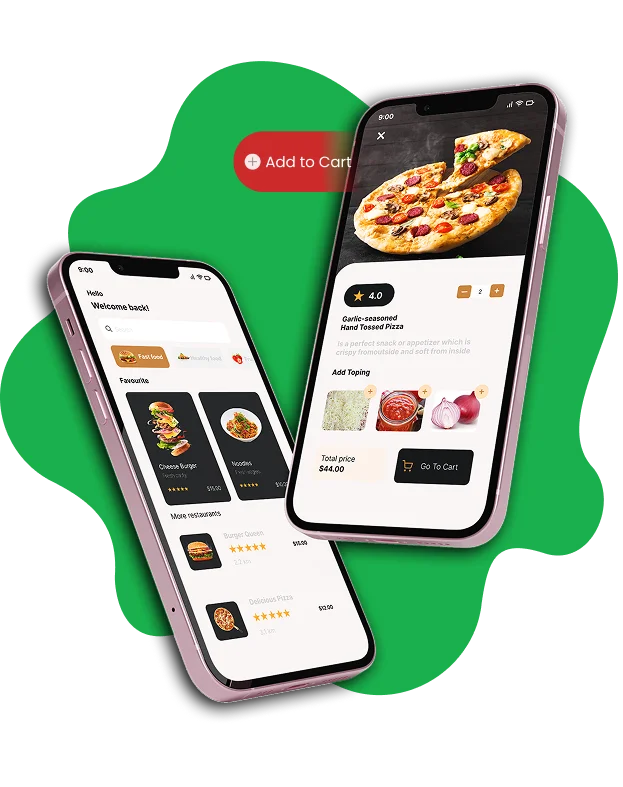
Some businesses need more than a responsive ecommerce website. They may want dedicated mobile applications that allow customers to browse products, manage accounts, receive notifications, and place orders.
An ecommerce app can complement an existing website and provide another sales channel, particularly when mobile engagement is an important part of the business model.
Ecommerce Migration and Modernization
Businesses with outdated ecommerce websites may need to move to a newer platform or improve their existing infrastructure.
Migration services can include transferring product catalogs, customer records, order histories, website content, and URLs. Proper planning is essential to reduce disruption and protect existing search visibility.
Third-Party API and Business System Integrations
An ecommerce store often needs to communicate with other business applications.
Common integrations include:
- CRM and customer management systems.
- ERP and accounting software.
- Inventory and warehouse management tools.
- Shipping and logistics providers.
- Payment gateways.
- Marketing automation platforms.
These connections help reduce manual work and keep important business information consistent.
How to Choose the Right Ecommerce Developer in Calgary
Choosing an ecommerce development company should involve more than comparing website designs or development quotations. You need a partner who understands the requirements behind your online store and can explain how they intend to meet them.
Here are seven areas worth evaluating.
- Evaluate Their Ecommerce Portfolio and Experience
Start by reviewing websites the developer has previously built.
Look beyond visual appearance. Explore product pages, navigation, checkout processes, mobile layouts, and the overall shopping experience.
If possible, look for projects involving similar products, order volumes, business models, or integrations. Experience with a comparable project can help the developer anticipate technical challenges.
- Check Platform-Specific Expertise
A developer who specializes in Shopify may not be the best choice for a complex Magento migration.
Ask which platforms they work with and whether they have experience implementing the features your business needs.
The recommendation should be based on your requirements, not simply the technology the development team prefers.
- Review Client Testimonials and Case Studies
Client feedback can provide useful information about a developer’s reliability and working process.
Look for reviews that discuss project communication, delivery timelines, technical problem-solving, and post-launch support.
Case studies are particularly helpful because they can explain the original business problem, the development approach, and the outcome.
- Assess Their Design and Development Process
A reliable development partner should have a clear process covering discovery, planning, design, development, testing, and launch.
Ask how requirements are documented, how progress is shared, and how changes are handled during development.
A defined process reduces misunderstandings and gives both parties a clearer view of project responsibilities.
- Understand Their Communication and Project Management
Development projects involve multiple decisions, feedback cycles, and technical discussions.
You should know who will manage communication, how frequently you will receive updates, and how quickly questions or issues are addressed.
Clear communication is especially important when the project includes several integrations or custom features.
- Check Post-Launch Support and Maintenance
Your website will need attention after launch.
Ask whether the developer provides technical support, platform updates, security monitoring, performance improvements, bug fixes, and additional development when required.
Also clarify which services are included in the original agreement and which will involve separate charges.
- Compare Pricing, Deliverables, and Ownership Terms
The lowest quotation is not necessarily the best investment.
Compare the scope of work, included features, estimated timeline, testing process, integrations, and support arrangements.
Make sure the contract explains who owns the website, source code, design assets, domain, and relevant accounts. You should also understand any recurring platform, hosting, application, or maintenance fees.
Essential Features Your Ecommerce Website Should Have
A successful ecommerce website needs to support both customers and the people managing the business.
The exact feature set will depend on your products, target market, and operating model. However, the following capabilities are important for most online stores.
| Feature | Why it matters |
| Mobile responsive design | Provides a consistent shopping experience across smartphones, tablets, and desktops |
| Product search and navigation | Helps customers find relevant products without unnecessary steps |
| Secure payment integration | Supports reliable transaction processing |
| Inventory management | Keeps stock information organized and updated |
| Order management | Makes order tracking, processing, and fulfilment easier |
| Shipping and tax configuration | Helps calculate applicable charges accurately |
| Customer accounts | Allows customers to manage profiles, orders, and saved information |
| Checkout optimization | Reduces unnecessary steps during purchasing |
| Analytics and reporting | Helps businesses understand traffic, sales, and customer behaviour |
| SEO friendly architecture | Makes products and category pages easier for search engines to discover |
Businesses should also consider accessibility, backup arrangements, website security, and performance monitoring during the planning stage.
Shopify vs WooCommerce vs Magento vs Custom Ecommerce Development
One of the most important decisions in ecommerce development is choosing the right platform.
Each option has different strengths, costs, and maintenance requirements.
| Platform | Best suited for | Main advantage | Main consideration |
| Shopify | Startups and growing retailers | Managed ecommerce infrastructure | Subscription and application costs |
| WooCommerce | WordPress-based businesses | Flexible customization and content management | Hosting, plugins, and maintenance |
| Magento / Adobe Commerce | Complex and larger stores | Advanced ecommerce capabilities | Higher development and maintenance investment |
| Custom ecommerce | Businesses with specialized workflows | Greater control over functionality | Higher initial investment and technical responsibility |
Which Platform Is Right for Your Business?
Choose Shopify if you want to launch relatively quickly with standard ecommerce functionality and limited infrastructure management.
Consider WooCommerce if your business already uses WordPress or requires greater control over content and store customization.
Explore Magento or Adobe Commerce if you manage a large catalog, complex pricing, multiple storefronts, or demanding business operations.
Custom ecommerce development may be appropriate when your business needs specialized functionality that existing platforms cannot support efficiently.
Before making a decision, consider your budget, product range, expected order volume, integration requirements, internal technical resources, and long-term plans.
How Much Does Ecommerce Website Development Cost in Calgary?
Ecommerce website development costs depend on the size and complexity of the project. A basic online store with standard functionality requires a different level of investment than a custom platform with advanced integrations and business automation.
The following figures provide indicative project planning ranges in Canadian dollars.
Basic Ecommerce Website
CAD $15,000 to $35,000
Typical timeline: 2 to 4 months
Suitable for smaller businesses launching an online store with standard product listings, payment integration, responsive design, and basic order management.
Mid-Level Ecommerce Platform
CAD $35,000 to $80,000
Typical timeline: 4 to 7 months
Suitable for growing businesses that need customized storefronts, advanced product management, third-party integrations, and improved operational workflows.
Advanced Ecommerce Solution
CAD $80,000 to $150,000+
Typical timeline: 6 to 12 months
Suitable for businesses requiring complex functionality, customized workflows, extensive integrations, advanced reporting, and more sophisticated ecommerce operations.
Enterprise Ecommerce Platform
CAD $150,000 to $300,000+
Typical timeline: 9 to 18 months or longer
Suitable for large businesses with complex catalogs, multiple sales channels, advanced integrations, and specialized operational requirements.
These are planning estimates rather than verified local market averages. Actual quotations will depend on the project scope and development approach.
Factors That Influence Development Costs
Several elements can increase or reduce the overall investment.
- Platform selection: Hosted platforms, open source solutions, and custom applications have different development and operating costs.
- Design requirements: Custom interfaces and advanced shopping experiences require additional design and development work.
- Product complexity: Large catalogs, product variations, custom configurations, and bulk pricing increase implementation effort.
- Integrations: Connecting ERP, CRM, inventory, shipping, and payment systems adds technical complexity.
- Custom functionality: Features such as subscription management, wholesale portals, and personalized pricing require additional development.
- Security and testing: Payment security, performance testing, quality assurance, and ongoing maintenance should be included in project planning.
When requesting a quotation, ask for a breakdown of development costs and recurring expenses. This will help you understand the actual investment required to operate the store.
Questions to Ask an Ecommerce Developer Before Hiring
Before selecting an ecommerce development partner, arrange a discussion about the project scope and technical approach.
The following questions can help you understand whether the developer is a suitable match.
What ecommerce platforms do you specialize in?
Understand whether their experience matches your preferred platform and business requirements.
Will I own the website and source code?
Confirm ownership of the website, custom code, design assets, domain, and relevant accounts.
Can you integrate my existing business systems?
Discuss compatibility with your current CRM, ERP, accounting, inventory, and shipping applications.
How do you handle security and data protection?
Ask about secure development practices, access controls, payment processing, backups, and customer data protection.
What happens after the website goes live?
Clarify the availability of technical support, maintenance, updates, and future development.
How do you manage project changes and delays?
Understand how scope changes are documented, approved, priced, and reflected in the delivery schedule.
The answers should be specific to your project rather than broad promises about development capabilities.
Common Mistakes to Avoid When Hiring an Ecommerce Developer
Choosing the wrong development partner can lead to unnecessary expenses, technical limitations, and delays. Avoid these common mistakes when evaluating your options.
- Choosing based on price alone: A low initial quotation may exclude important integrations, testing, or maintenance.
- Ignoring mobile shopping experience: A website that works well on desktops but performs poorly on mobile can create unnecessary barriers for customers.
- Overlooking SEO during development: Poor URL structures, duplicate pages, slow loading times, and missing metadata can affect organic visibility.
- Not planning for future integrations: A platform that cannot accommodate future business requirements may need expensive modifications or migration.
- Skipping maintenance planning: Software updates, security checks, backups, and performance monitoring remain important after launch.
- Accepting unclear project agreements: Missing details about deliverables, ownership, timelines, and support can create disagreements later.
A clear project scope and realistic expectations help prevent many of these problems.
Why Choose Calgary App Developer for Ecommerce Development?
Choosing an ecommerce development partner is an important business decision. You need a team that understands the relationship between technology, customer experience, and day-to-day business operations.
Calgary App Developer approaches ecommerce development with a focus on building solutions around business requirements rather than adding features without a clear purpose.
Whether you are planning a new online store, improving an existing ecommerce website, or considering a platform migration, the starting point should be a clear understanding of what your business needs.
A well-planned development project should account for:
- Your products, customers, and sales model.
- The right ecommerce platform and technical architecture.
- Payment, inventory, shipping, and business system integrations.
- Website usability, performance, and security.
- Future requirements and ongoing technical support.
The goal is to build an ecommerce platform that supports your business today while leaving room for future improvements.
Canadian Ecommerce Considerations for Calgary Businesses
Building an ecommerce website for a Canadian business involves several considerations beyond design and development. Your website should support the way you sell, collect payments, deliver products, and manage customer information.
Canadian Dollar and Payment Processing
Your store should support CAD pricing and display transaction amounts clearly. Choose payment gateways that support your preferred payment methods, settlement arrangements, and business requirements.
Also consider transaction fees, refunds, recurring payments, and payment reconciliation when comparing providers.
GST and Applicable Sales Taxes
Your ecommerce platform should support the tax rules relevant to your business and the locations where you sell.
For example, Alberta has a 5% GST and no provincial sales tax. However, businesses selling to customers in other provinces may need to account for different sales tax requirements.
The Canada Revenue Agency guides GST/HST registration and ecommerce transactions.
Shipping and Delivery Across Canada
Shipping requirements can become more complicated when selling beyond Calgary.
Consider integrations with Canadian shipping providers, automated shipping calculations, delivery estimates, tracking notifications, and return management.
Your website should also communicate shipping costs and delivery expectations before customers reach checkout.
Privacy and Customer Data Protection
Ecommerce websites collect personal information such as customer names, email addresses, shipping details, and order histories.
Businesses operating in Alberta should understand their responsibilities under the Personal Information Protection Act (PIPA). Depending on their activities, federal privacy requirements under PIPEDA may also apply.
Your development team should consider appropriate data protection measures, access controls, consent management, and secure information handling.
Conclusion: Choose an Ecommerce Developer Who Understands Your Business
Choosing the right ecommerce developer in Calgary is about finding a development partner who understands your business goals, customers, and operational requirements. The right platform, thoughtful design, reliable integrations, and proper technical planning all contribute to an online store that can support long-term growth.
Before making a decision, compare developers based on their experience, technical expertise, project approach, pricing, and post-launch support. Consider what your business needs today while keeping future expansion in mind.
Calgary App Developer helps businesses turn ecommerce requirements into practical digital solutions. Whether you are launching a new online store, upgrading an existing platform, or planning a custom ecommerce solution, the right development approach can help you build a store that works for your business and customers.
FAQs
- How do I find the best ecommerce developer in Calgary?
Start by reviewing ecommerce portfolios, platform expertise, client testimonials, and experience with projects similar to yours. Ask about development processes, integrations, pricing, website ownership, and post-launch support. The right developer should understand your business requirements and explain how their proposed solution will address them.
- How much does it cost to hire an ecommerce developer in Calgary?
Ecommerce website development in Calgary can cost approximately CAD $15,000 to $35,000 for a basic store, CAD $35,000 to $80,000 for a mid-level platform, and CAD $80,000 to $150,000 or more for advanced solutions. Enterprise projects can exceed CAD $300,000 depending on customization and integrations.
- Which ecommerce platform is best for a small business?
Shopify and WooCommerce are common choices for small businesses. Shopify offers managed infrastructure and straightforward store management, while WooCommerce provides flexibility for businesses using WordPress. The better option depends on your budget, customization needs, technical resources, and long-term plans.
- How long does ecommerce website development take?
A basic ecommerce website generally takes 2 to 4 months, while a mid-level platform may require 4 to 7 months. Advanced ecommerce solutions can take 6 to 12 months or longer. The timeline depends on design complexity, integrations, custom features, content preparation, and testing requirements.
- Can an ecommerce developer customize Shopify or WooCommerce?
Yes. Developers can customize themes, storefront layouts, product pages, checkout experiences, and integrations. They can also develop additional functionality to support specific business requirements. The available customization options depend on the platform, its technical limitations, and the features included in your project.
- Do I need ongoing ecommerce website maintenance?
Yes. Ecommerce websites need regular updates, security checks, backups, performance monitoring, and troubleshooting. Maintenance also helps address compatibility issues, improve website functionality, and keep integrations working correctly. A maintenance agreement can help businesses plan these activities and manage ongoing technical requirements.
- Can I migrate my existing online store without losing SEO rankings?
An ecommerce migration can preserve much of your existing search visibility when handled properly. Developers should review current URLs, prepare appropriate 301 redirects, transfer important content and metadata, maintain internal links, and monitor indexing after launch. However, no migration process can guarantee that rankings will remain unchanged.
- Is custom ecommerce development better than using a ready-made platform?
Custom development is useful when a business needs specialized workflows, unique integrations, or functionality that standard platforms cannot support efficiently. Ready-made platforms are generally more suitable for businesses with conventional selling requirements. The right choice depends on functionality, budget, scalability, and ongoing maintenance needs.


Pankaj Arora is a seasoned technology leader and the Founder of Calgary App Developer, with 10+ years of expertise in crafting high-performance digital solutions. His core competencies include full-stack app development, cloud-native architecture, API integration, and agile product delivery. Under his leadership, Calgary App Developers has empowered startups and enterprises alike with scalable mobile applications, secure web platforms, and AI-driven SaaS products.